


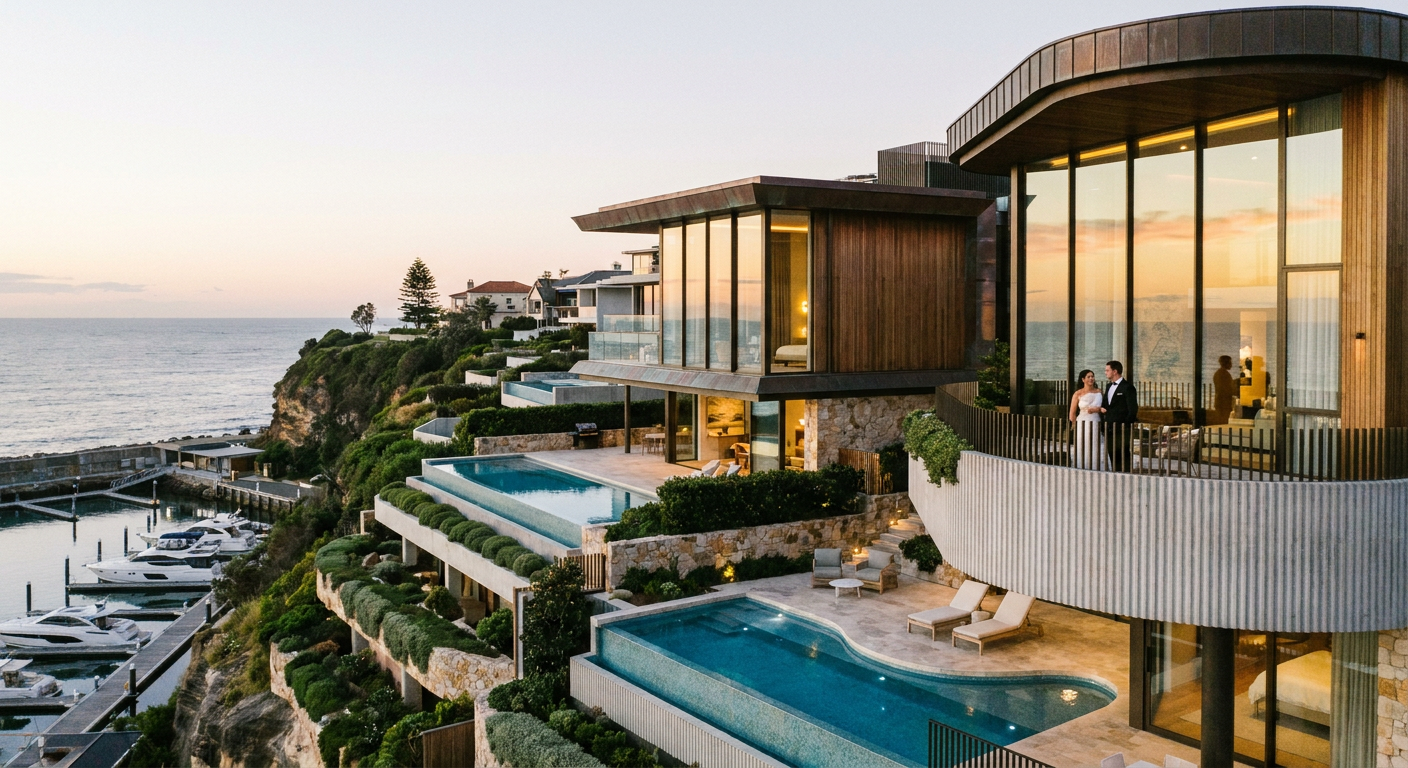
Luxury real estate branding is not a cosmetic layer added after the project is designed. For developers, it is the system that turns architecture, positioning, story, digital presentation, and buyer trust into one coherent perception of value.
That matters because luxury buyers and investors are comparing more than location and unit mix. They are evaluating credibility, identity, emotional fit, and the quality of the developer’s overall presentation. The branded residences segment alone has expanded from 169 schemes in 2011 to 611 by 2025, according to Knight Frank, which shows how strongly premium buyers respond to differentiated, trust-building positioning rather than generic high-end language. Source: Knight Frank Global Branded Residence Survey 2025.
For developers, the implication is simple. In luxury real estate, brand shapes desire before sales teams ever enter the conversation.
What luxury real estate branding actually means
Luxury branding for developers should answer a deeper question than “How do we look expensive?”
A better question is: Why should a buyer or investor believe this project belongs in the premium tier?
That answer usually comes from five connected elements:
- Positioning that defines who the project is for.
- Identity that expresses quality and restraint consistently.
- Story that gives the project emotional and cultural meaning.
- Digital experience that makes the brand feel trustworthy online.
- Proof that supports the promise with substance.
When those elements work together, the brand feels intentional. When they do not, the project may still look polished, but it rarely feels convincing.
Why desire and trust have to work together
Luxury branding is strongest when aspiration and reassurance appear in the same system.
Aspiration attracts attention through:
- architecture and visual direction
- lifestyle cues
- sense of rarity
- material palette and atmosphere
- emotional framing of the project
Trust is built through:
- clarity of positioning
- disciplined website presentation
- credible developer story
- quality of details and execution
- consistency across every buyer touchpoint
Many developers overinvest in aspiration and underinvest in reassurance. The result is a project that looks expensive but does not feel dependable.
Positioning comes before design language
Before a developer chooses colors, typography, or campaign visuals, the project should be positioned clearly.
That includes defining:
- the core buyer or investor profile
- the competitive set
- the emotional promise of ownership
- the practical proof behind that promise
- the tone the project should own in the market
Luxury positioning should not sound generic. Terms like iconic, elevated, exclusive, and premium have become too common to create differentiation on their own.
The stronger approach is to define the project more specifically. Is it privacy-led? Architecture-led? Service-led? Waterfront-driven? Wellness-driven? Investor-trust-driven? The brand becomes more powerful when the promise is sharper.
This is also why MARKETIKA’s real estate developer branding blueprint is a useful internal reference. Strong branding starts with clearer positioning logic before it becomes a visual system.
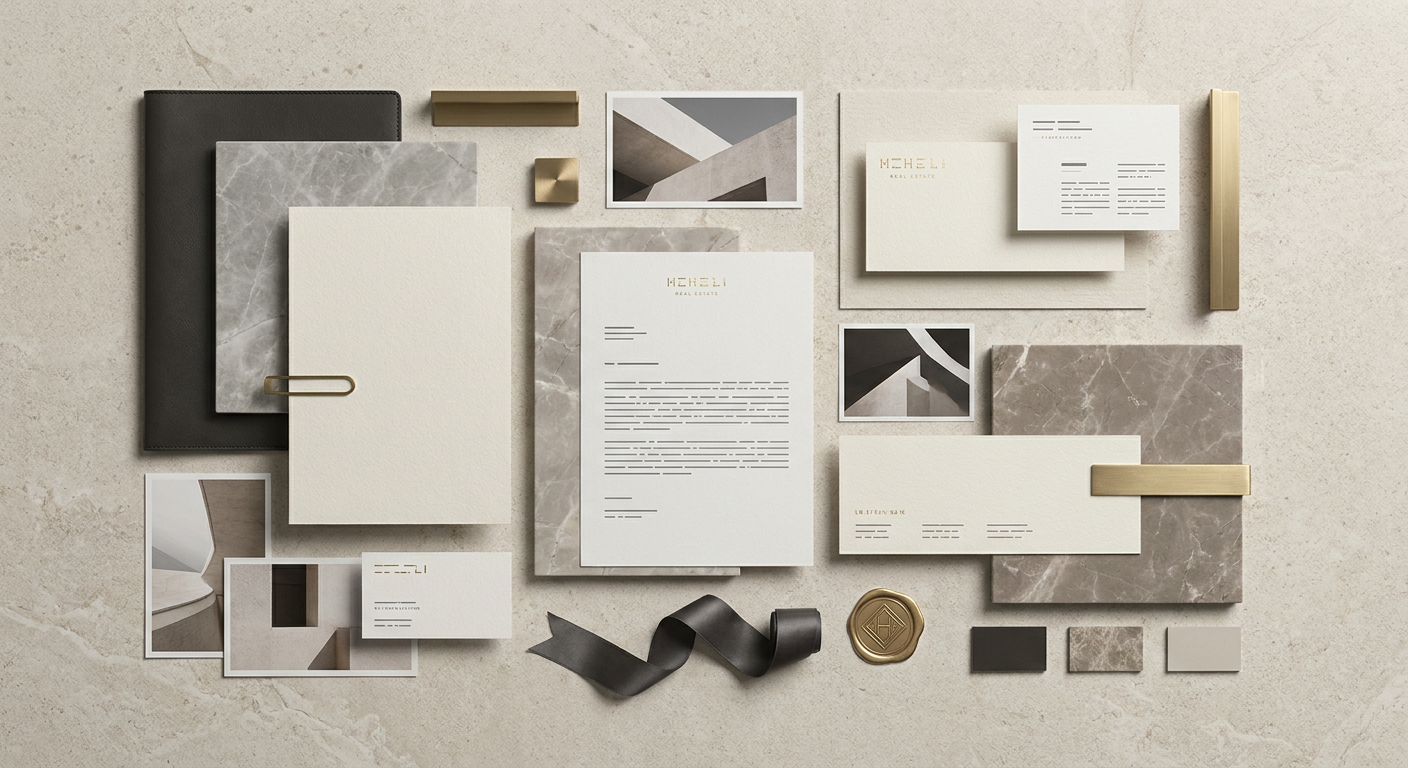
Identity should feel refined, not overloaded
Luxury identity design is often misunderstood as maximal decoration. In practice, the strongest premium developer brands usually feel more restrained.
A refined identity often relies on:
- deliberate typography
- cleaner visual hierarchy
- quieter color systems
- stronger art direction
- consistent use of space and pacing
That restraint matters because premium perception often comes from control. If the identity feels crowded or inconsistent, trust weakens even when the assets are expensive to produce.
The project story matters as much as the logo
Buyers do not invest emotionally in logos alone. They invest in what a project means.
A stronger project story usually explains:
- why this location matters
- what kind of lifestyle or identity it represents
- how the architecture expresses that idea
- what makes the development more desirable than nearby alternatives
- why the developer can be trusted to deliver
Story is where desire becomes more than image. It gives the project a reason to stay in the buyer’s mind.
This is especially important in luxury markets where many developments use similar words. A sharper narrative helps buyers and investors remember the project for a real reason rather than as another attractive option in a crowded set.
Digital presentation is part of the brand
Luxury branding today lives heavily online. For many buyers, the website is the first place where brand value is either reinforced or lost.
A premium digital experience should:
- feel calm and intentional from the first screen
- make the project story easy to absorb
- connect architecture, amenities, and lifestyle into one coherent presentation
- avoid pressure-heavy UX
- guide the user toward the next step without breaking the premium tone
Public examples such as Almal Investments show how a digital environment can support investor trust and premium perception at the same time. The same principle appears across MARKETIKA’s real estate project portfolio, where branding, websites, and visual systems are treated as one developer-facing commercial environment rather than separate deliverables.
How branding supports investor trust
Luxury buyers and investors may respond emotionally first, but they still need to believe in the developer and the offer.
Branding helps that by making the project feel:
- more credible
- more deliberate
- more professionally managed
- more distinct within its category
- more aligned with the expectations of a premium audience
This is why brand inconsistency is expensive. If the website, campaign creative, presentations, brochures, and sales materials all feel slightly disconnected, confidence declines even when the project itself is strong.
What developers should include in a stronger luxury brand system
A more complete luxury brand system often includes:
- brand positioning statement
- verbal tone and messaging framework
- visual identity system
- art direction for CGI and photography
- website structure and UX guidelines
- brochure and presentation templates
- digital campaign look and feel
- sales-gallery alignment
The point is not to create more files. It is to create a system where every buyer touchpoint feels like it comes from the same intelligent source.
Common mistakes developers should avoid
Confusing luxury with visual excess
Premium perception usually benefits more from clarity and restraint than from decorative overload.
Using generic market language
If every project is described as exclusive, iconic, and world-class, none of those words create differentiation.
Treating brand and website as separate decisions
In luxury real estate, the website is one of the main places where brand value becomes believable.
Ignoring investor logic
Branding should create emotional desire, but it should still leave room for proof, credibility, and commercial confidence.
Designing without story
A beautiful identity without a compelling narrative can still feel hollow.
A practical framework for developers
A useful luxury branding sequence often looks like this:
- define the audience and premium market position
- identify the emotional promise and supporting proof
- build a restrained visual identity system
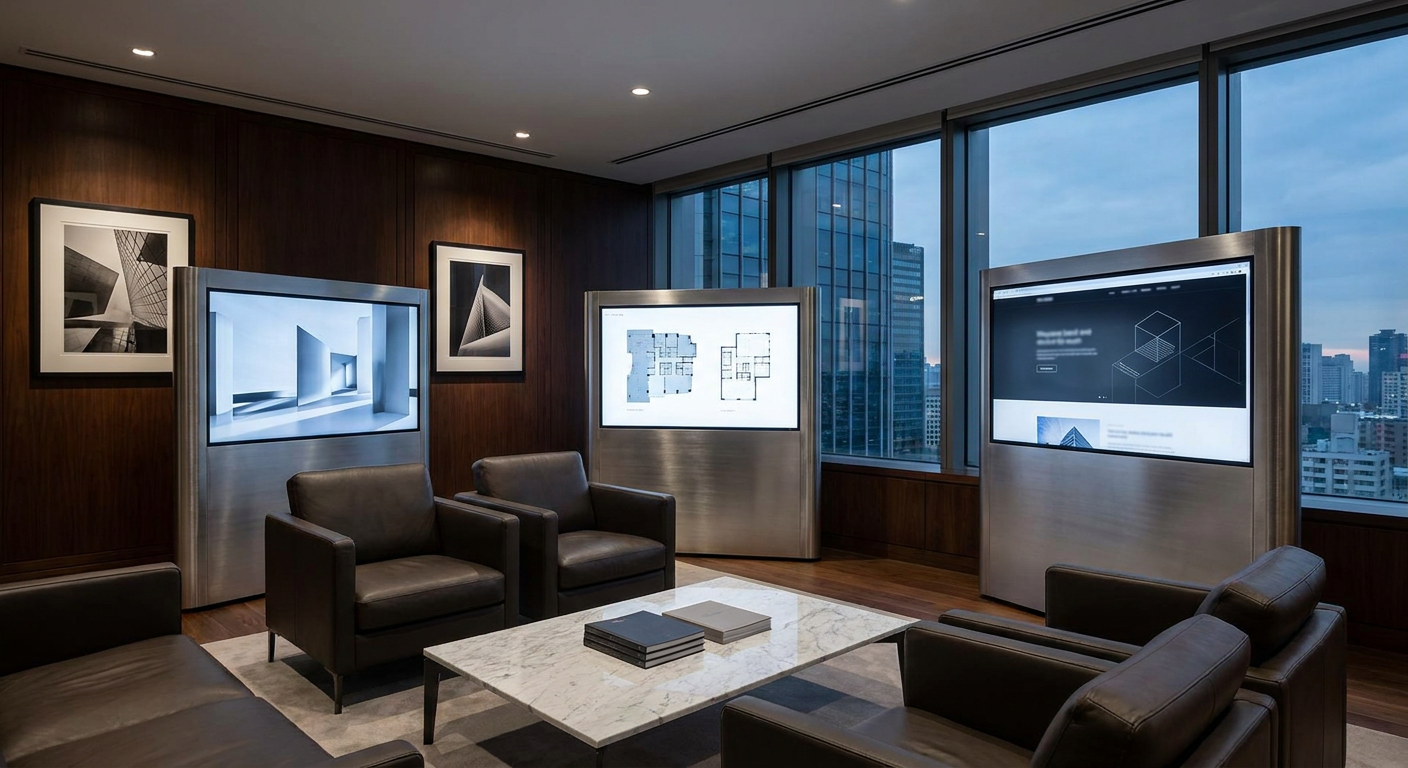
- translate the brand into website and presentation logic
- align campaigns, brochures, CGI, and sales tools around one story
- test whether the full experience feels consistent and credible
That framework helps developers create a brand that not only looks elevated, but also supports pricing power, investor trust, and stronger differentiation.
FAQ
Why does luxury real estate branding matter for developers?
Because branding shapes whether the project feels distinctive, credible, and desirable before the buyer engages with sales.
What should be included in a luxury developer brand?
At minimum, it should include positioning, identity, project story, website expression, and a clear system for how the brand appears across sales and marketing touchpoints.
Is branding only about attracting end users?
No. It also matters for investors, partners, brokers, and the wider market perception of the developer.
How can MARKETIKA help?
MARKETIKA can connect developer branding strategy, real estate project examples, and specialist expertise across branding, websites, and visuals into a more coherent premium brand system.
Final takeaway
Luxury real estate branding works when it helps developers create desire and trust at the same time. The strongest brands do not rely on expensive-looking assets alone. They combine positioning, identity, story, and digital presentation into one more believable premium experience.
That is what makes the project feel memorable, investable, and worth acting on.