



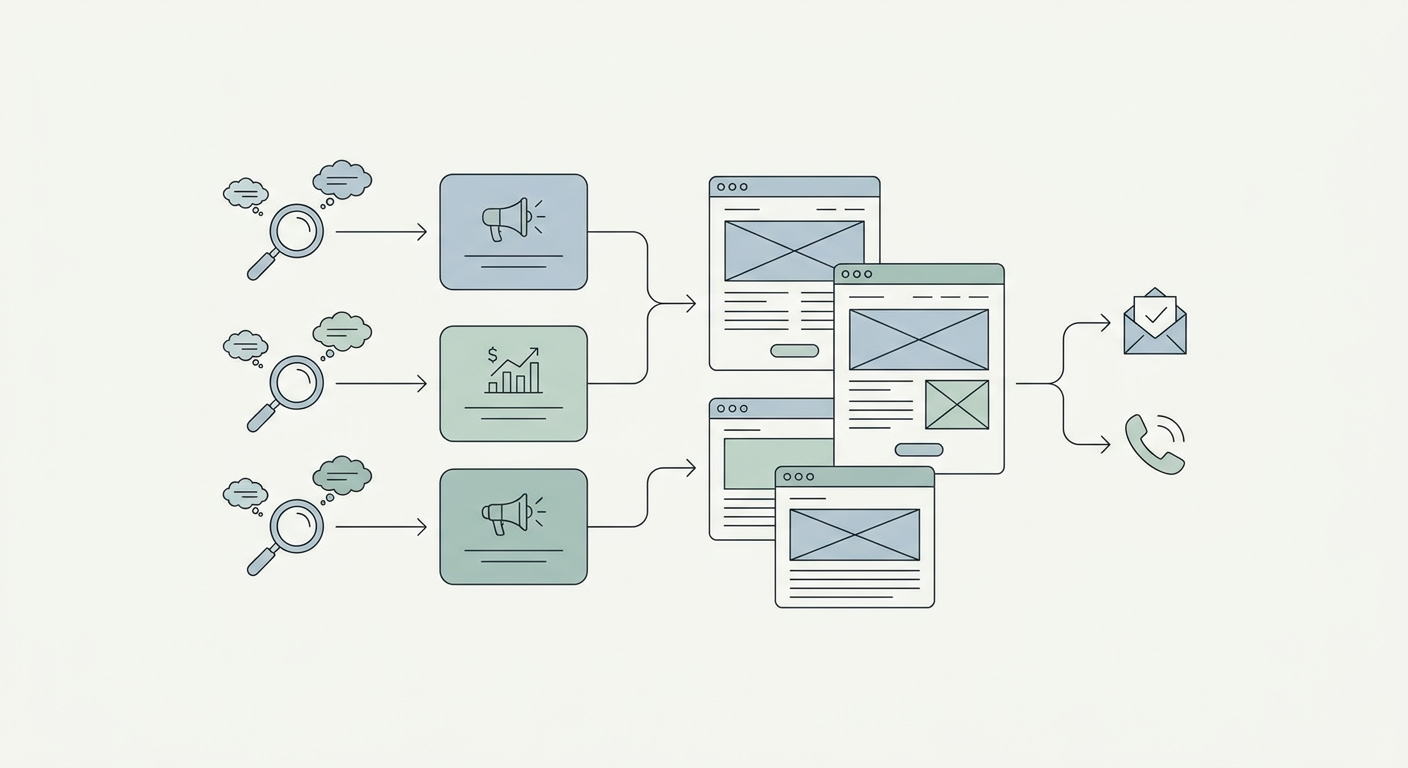
Meta Ads for off-plan real estate perform best when creative, targeting, landing pages, and sales follow-up are built as one system. For developers, the platform is powerful because it can generate reach and lead flow quickly, but it also exposes weak positioning and weak conversion paths just as quickly.
That matters because off-plan campaigns are selling something buyers cannot fully inspect yet. The ad creative has to attract attention, the landing page has to build trust, and the sales handoff has to keep the momentum alive. If one of those layers breaks, the campaign becomes expensive noise.
Why Meta Ads matter for off-plan projects
Meta is useful for off-plan launches because it supports visual storytelling, audience testing, and high-volume lead generation at relatively early stages of the buyer journey.
It is especially effective when developers need to:
- generate awareness for a new launch or phase
- test multiple visual angles quickly
- reach investors and end users with different messaging
- retarget website visitors and brochure downloaders
- drive fast enquiry volume into the sales team
But lead volume alone is not the goal. The real objective is to generate qualified attention that can move toward a serious conversation.
The three parts that determine performance
1. Creative
Creative is where the campaign earns the click. In off-plan real estate, strong creative usually combines architecture, aspiration, and clarity.
Useful creative directions often include:
- hero project visuals with a clear value promise
- short-form motion or animation from CGI or drone assets
- location- or lifestyle-led angles for end users
- payment-plan or investment-led angles for investor audiences
- carousel or comparison formats that help the buyer understand the offer faster
The key is not to make everything look luxurious in the same generic way. The ad should communicate a specific reason to care.
2. Targeting
Targeting should reflect the real commercial segments behind the project.
That may include:
- local end users versus international investors
- family-oriented versus investor-oriented messaging
- different language or market versions
- remarketing audiences who already engaged with the project
- lookalikes or expansion audiences based on lead quality rather than only lead volume
Developers often underperform here because they send several audiences into the same message and the same landing page logic.
3. Landing pages
A Meta campaign is only as strong as the destination experience.
A better landing page usually:
- matches the promise of the ad directly
- explains the project quickly and clearly
- uses premium visuals without becoming vague
- gives the buyer a natural next step
- keeps forms short and low-friction
If the ad feels precise but the page feels generic, conversion quality usually drops.
What creative should emphasize
The strongest off-plan Meta Ads usually make one of these ideas easy to understand:
- project identity and design quality
- location and destination logic
- payment-plan structure
- expected lifestyle or amenity value
- limited release or launch-phase urgency
Creative should not try to explain everything at once. It should open the door to the landing page, not replace it.
How landing pages affect lead quality
Meta lead forms can generate volume quickly, but many developers get better long-term results from driving users to a stronger landing page or project site.
A better landing page can:
- filter weaker curiosity clicks
- build more trust before the form fill
- qualify the user through context, not just form fields
- support better follow-up because the buyer has understood more of the project first
This is one reason MARKETIKA’s real estate project portfolio and its expertise across branding, websites, and performance marketing are useful references. Paid social performs better when the destination experience feels commercially coherent.
A practical campaign structure
A useful Meta Ads setup often includes:
- awareness campaigns testing multiple creative angles
- retargeting audiences based on site visits or video engagement
- separate landing experiences for key buyer segments
- simple lead capture with clear next-step expectations
- reporting based on lead quality and follow-up, not only CPL
That structure helps developers avoid over-optimizing around cheap leads that sales cannot actually convert.
Common mistakes to avoid
Using one creative style for every audience
Investor and end-user motivations are often different enough to need separate messaging.
Sending all traffic to the homepage
Campaigns usually perform better when they land on a focused project page or campaign-specific destination.
Overloading the ad with vague luxury language
Specificity usually outperforms generic prestige messaging.
Measuring only cost per lead
Cheap leads can hide weak intent and poor downstream sales value.
Ignoring follow-up speed
Meta can generate high response volumes, but value disappears if the sales team responds too slowly.

FAQ
Are Meta Ads good for off-plan real estate?
Yes. They are useful for awareness, visual storytelling, retargeting, and high-volume lead generation when the campaign structure is disciplined.
What matters more, targeting or creative?
Both matter, but creative often determines whether the right audience pauses and engages in the first place.
Should Meta traffic go to lead forms or landing pages?
It depends on the project, but stronger landing pages often improve trust and lead quality even if raw volume is lower.
How can MARKETIKA help?
MARKETIKA can connect project examples, specialist expertise, and broader digital strategy into Meta campaigns that work better with the website and sales flow rather than in isolation.
Final takeaway
Meta Ads for off-plan real estate work best when developers treat creative, targeting, and landing pages as one connected conversion path. The goal is not just to produce more leads. It is to create the right first impression, direct buyers into the right experience, and preserve intent through the handoff to sales.
That is what makes paid social commercially useful in off-plan marketing.