


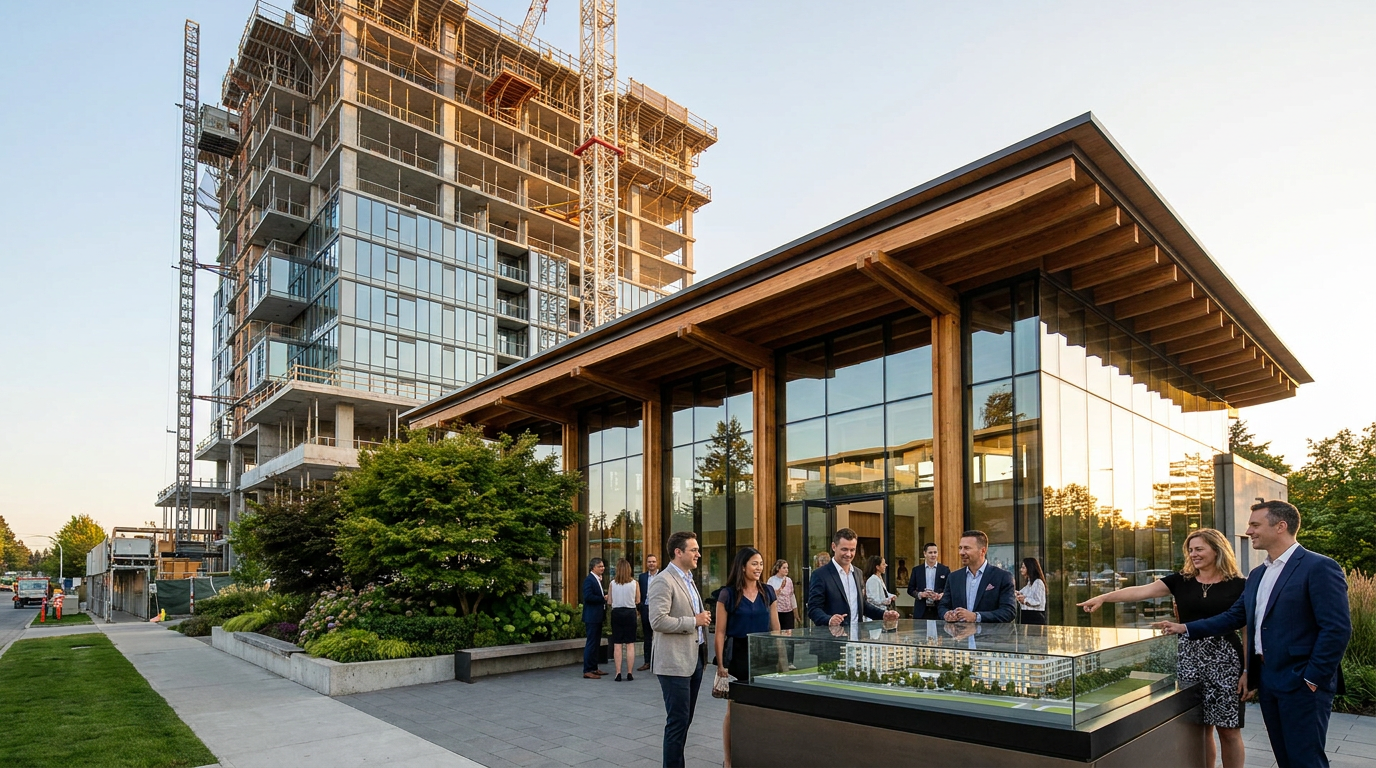
Off-plan real estate marketing works best when developers treat the launch as a staged system rather than a campaign burst. Before the project can sell well, buyers need a clear promise, a credible digital environment, and a better reason to trust the future asset.
That is especially important in markets where the product is being sold before completion. In the UAE, off-plan is already a dominant sales model. In North America, the more natural term is often pre-construction, but the same strategic challenge remains: how do you help a buyer feel confident enough to act before the finished environment exists?
What off-plan marketing actually needs to do
A strong off-plan strategy should do four things well:
- create early attention around the right audience
- explain the project clearly before construction is complete
- convert interest into qualified buyer conversations
- maintain confidence through the sales process
That is why off-plan marketing depends on more than media spend. It needs stronger coordination between brand, visuals, website structure, paid acquisition, and sales handoff.
The pre-launch phase matters more than most teams assume
Many developers think the launch begins when ads go live. In practice, the most important decisions happen earlier.
Before launch, the team should define:
- target audiences and their priorities
- project positioning and core narrative
- the visual system and asset plan
- the website or microsite structure
- the lead-routing and follow-up model
- the performance KPIs that will define success
If those elements are unclear, the campaign usually becomes reactive and inefficient.
A practical off-plan framework for developers
1. Position the project clearly
The first task is to define what the project should mean in the market.
That includes:
- who the primary buyer is
- what makes the project commercially or emotionally distinctive
- how the location should be framed
- what proof supports the premium or investment promise
This is where branding and story matter. Buyers need a reason to remember the project, not just see it.
2. Build the launch assets around the buyer journey
A stronger launch asset stack often includes:
- hero CGI and campaign visuals
- website or microsite pages
- floorplans and amenity explanations
- brochure or downloadable project summary
- sales-gallery support materials
- retargeting and follow-up assets
Each asset should support a specific stage in the buyer journey, rather than existing because it is expected.
3. Launch with a focused traffic strategy
Most developers need some mix of:
- paid social
- search campaigns
- remarketing
- property portals
- PR or launch amplification
- email or CRM nurturing
The point is not to use every channel equally. It is to make sure every channel leads into a coherent project experience.

4. Protect value after the lead comes in
A lot of off-plan value is lost after enquiry.
A stronger post-lead process usually includes:
- fast response times
- routing by language, geography, or buyer type
- clear ownership inside the sales team
- structured follow-up with relevant project assets
- visibility into which channels produce useful demand
This is why off-plan marketing should be CRM-aware from the beginning. If the lead handoff is weak, even strong campaigns can feel disappointing.
What buyers need before they commit
Off-plan buyers usually want a combination of aspiration and reassurance.
They need to feel:
- the project is desirable
- the developer is credible
- the product is understandable
- the next step is safe and clear
That means your marketing should not rely only on beautiful visuals. It should also reduce ambiguity around the project story, location, unit logic, and delivery context.
Geography matters
UAE and GCC contexts
In UAE and GCC markets, off-plan is natural language and often central to investor-driven demand. Payment plans, launch momentum, project visuals, and premium digital presentation tend to matter heavily.
USA and Canada contexts
In the USA and Canada, the more natural framing is often pre-construction or new development rather than off-plan. Even when the mechanics are similar, the marketing language should reflect what buyers in those markets expect.
This is one reason developers with international audiences need more flexible messaging systems instead of one universal campaign tone.
What a stronger developer stack looks like
A modern off-plan stack usually combines:
- sharper project positioning
- premium website or microsite experience
- CGI, 3D, or virtual tools for clarity
- paid media and search capture
- remarketing and nurture flows
- sales enablement and performance reporting
This is also why MARKETIKA’s real estate project portfolio, specialist expertise, and developer marketing guide are useful references. The strongest launches come from connected systems rather than disconnected deliverables.
Common mistakes to avoid
Launching without clear positioning
If the promise is vague, all later campaign layers become harder to optimize.
Treating visuals as the whole strategy
CGI helps, but the project still needs stronger narrative, UX, and follow-up.
Sending all traffic to a weak destination
A generic project page can dilute the momentum created by paid media.
Measuring only lead cost
Developers need visibility into lead quality, speed to lead, and commercial progression too.
Delaying sales-process planning
If the handoff is improvised after launch, value leaks fast.

FAQ
What is off-plan real estate marketing?
It is the system developers use to market and sell a project before completion through positioning, visuals, digital experience, paid acquisition, and sales follow-up.
Why does pre-launch matter so much?
Because most of the strategic foundations that affect campaign efficiency are decided before the launch goes public.
Is off-plan marketing different by geography?
Yes. UAE markets often use direct off-plan framing, while North American markets more often prefer pre-construction or new-development language.
How can MARKETIKA help?
MARKETIKA can connect project examples, specialist expertise, and developer marketing insights into a more complete pre-launch framework.
Final takeaway
Off-plan real estate marketing works best when developers build the launch as a connected system from the start. Strong positioning, better visual assets, clearer digital journeys, and more disciplined sales handoff all improve the conditions for faster, more confident buying decisions.
The goal is not just to generate noise before completion. It is to create trust before the product is fully built.